
Data security posture management (DSPM) has quickly moved from a nice-to-have to a baseline requirement. But the space is getting crowded. Many tools deliver visibility without meaningful risk reduction. Not all are truly cloud-native, and speed of deployment has become a deciding factor.
To keep pace with today’s fast-moving data environments, DSPM must be cloud-native, go beyond finding sensitive data and continuously reduce exposure through remediation. That means pairing discovery with identity context and activity monitoring so teams can see who has access, how data is being used, where it is overexposed and what needs to change. Visibility is necessary, but it is not sufficient unless it leads to action that measurably reduces risk. This is especially true as GenAI and LLM-powered enterprise search raise the stakes when sensitive data is broadly accessible.
Image

These are now core requirements for modern data environments. Organizations are modernizing their data estates and standardizing on cloud operating models, with increased demand for platforms that can deploy quickly and then continuously reduce exposure as data and access change.
Achieving Outcomes
DSPM often starts with a straightforward promise: Discover sensitive data wherever it lives. That matters because you cannot protect what you cannot find.
But discovery alone can become a trap. It can create an inventory of everything you should worry about without shrinking the blast radius. Data discovery is not data security.
In cloud environments, discovery-only workflows struggle because:
- Data and permissions change continuously
- Oversharing and privilege creep are common
- Risk is not only where data is, but who can reach it and what they do with it
If a DSPM program stops at visibility, it may increase awareness without reducing exposure. In an era where AI can accelerate search and analysis, that gap matters more than ever.
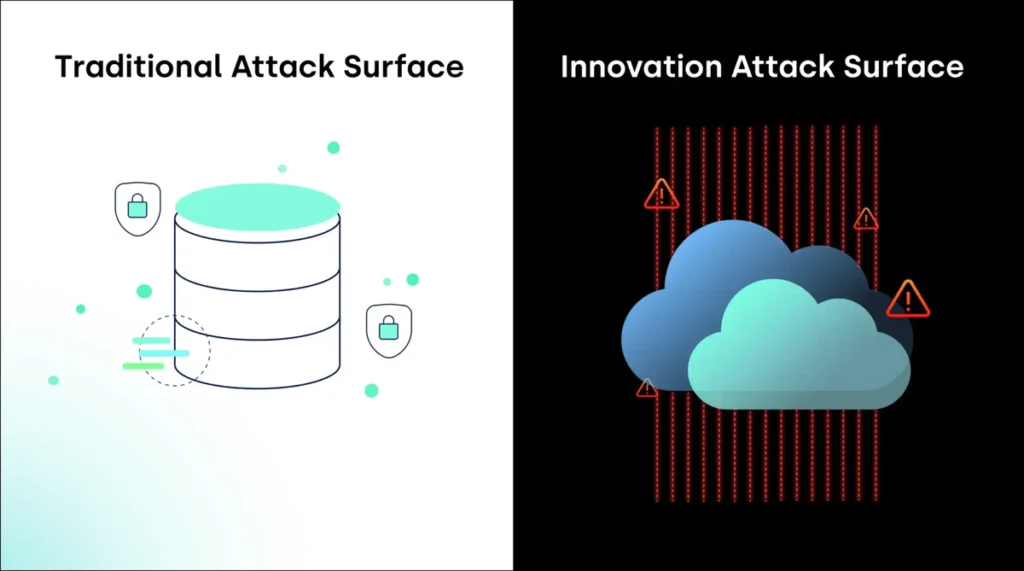
A more useful way to define DSPM is to frame it as outcome-based. Identify sensitive data, map identities, correlate access and activity and reduce risk through automated remediation.
In a previous post, I outlined why DSPM is evolving from a discovery conversation to an outcomes conversation, and why Varonis has been at the forefront of that shift. That evolution is exactly what makes cloud-native delivery and speed so important. DSPM is moving beyond posture reporting into identity context, analytics and response, with the goal shifting from “Tell me what I have” to “Help me fix what is unsafe.”
Varonis connects data sensitivity to who can access it and how it is being used, so teams can move from discovery to remediation without delay. This is automated across the data stores and platforms where data lives. Coverage spans structured, unstructured and semi-structured data, enabling discovery, monitoring, alerting and remediation at scale.
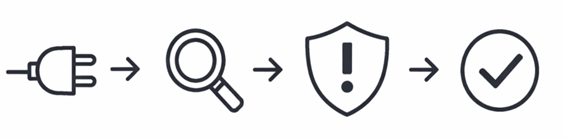
The Speed Test
One of the top questions I am asked when speaking with customers is how long it will take to see value. Cloud security does not reward slow implementations. A DSPM platform can look great on paper, but if it takes weeks or months to deploy, teams lose time to value while the environment keeps changing.
Fast deployment matters because it determines how quickly you can establish a baseline of exposure, identify the highest risk access paths, start reducing permissions and limiting oversharing and monitor continuously rather than scan and forget.
Varonis delivers quick cloud deployment through an agentless, out-of-the-box approach that reduces setup complexity and accelerates time to insight. The benefit is not just faster dashboards. It is faster risk reduction. The sooner the platform is connected to your critical data stores, the sooner you can pinpoint the most sensitive data, see where it is overexposed and start tightening access before permission sprawl becomes the default.
Varonis has operated as a SaaS solution for years now, and that decision continues to strengthen the cloud-native DSPM narrative in a few ways. First, product focus and iteration velocity – SaaS-only reduces the need to maintain parallel deployment models and supports faster releases. Second, operational simplification – SaaS reduces customer burden and enables a more streamlined experience because the vendor owns the platform lifecycle. Third, SaaS supports controls for an AI-first market, including monitoring how users and AI assistants interact with sensitive data and surfacing risky access patterns as they emerge.
This SaaS foundation is what makes speed and continuous risk reduction practical at scale.
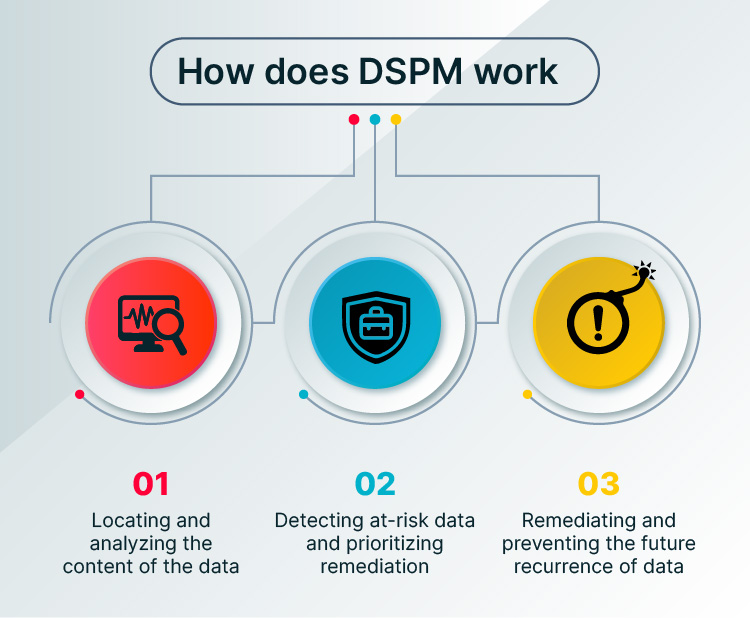
Raising the Bar and Looking Ahead
As organizations adopt LLM-powered search and copilots, the pressure on data security increases. AI makes data easier to find and use. That is a benefit when access is governed, and a risk multiplier when it is not.
That is why the DSPM conversation is increasingly remediation-centric. It is not enough to know sensitive data exists. The questions become:
- Is it accessible to too many people or apps?
- Are permissions drifting wider over time?
- Are risky behaviors repeating?
- What can we fix now safely and at scale?
This is why Varonis is positioned to meet this moment. Discovery is the starting point, but security requires continuous reduction of exposure through automated remediation at scale, delivered with speed on a cloud-native platform.

Varonis is consistently recognized by industry analysts and customers for its data security platform approach, including being named a Leader in the Forrester Wave and a Customers’ Choice in Gartner Peer Insights for DSPM.
Varonis has also signaled where data security is heading next with its recent acquisition of Alltrue.ai now Varonis Atlas. The impact to watch is how it can accelerate AI-native capabilities that help teams move faster with less manual effort, strengthen how data is understood and prioritized, expand automation for policy guidance and remediation workflows and improve how teams search, interpret and act on risk with greater speed and clarity.
In a follow-up post, I will go deeper into what this acquisition can bring to the Varonis platform and what it means for practical AI-era data security.
Expectations and Proof
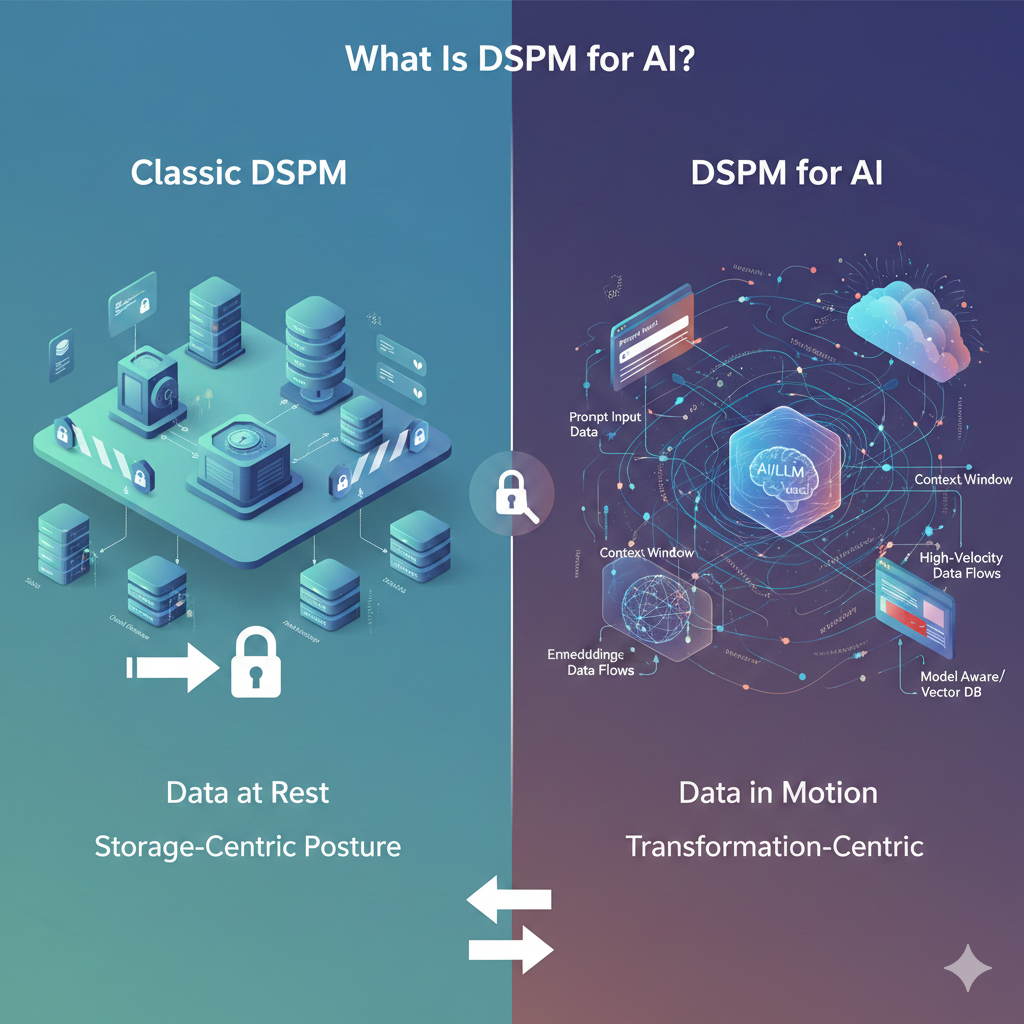
To summarize, cloud-native DSPM is now expected. Rapid time to value is how you prove it.
Any DSPM story today needs to be built around a cloud-native, SaaS-first delivery designed for fast deployment and automated, continuous remediation. Varonis is exactly that.
If you want a concrete way to validate cloud-native DSPM and speed of deployment, ask us today about a complimentary Data Risk Assessment. It can be set up in minutes and deliver a risk-based view in less than 24 hours. At the end of the assessment, you receive a report detailing each finding and a clear remediation path.
We can help! Reach out to your Optiv Client Manager for a complimentary risk assessment!