
Introduction
In Cyber Threat Intelligence (CTI), we often use certain words interchangeably. That might feel harmless, but it can blur what we’re actually doing – and sometimes even cause misunderstandings that could lead to bigger problems.
One of the most common examples is the mix-up between data, information, and intelligence. These are three very different things, yet in CTI we often hear them used side by side, for example:
- threat intelligence data feed
- threat intelligence information
To get real value out of CTI, it’s important to draw the line between the three. Let’s break it down.
Data: Raw and Unfiltered
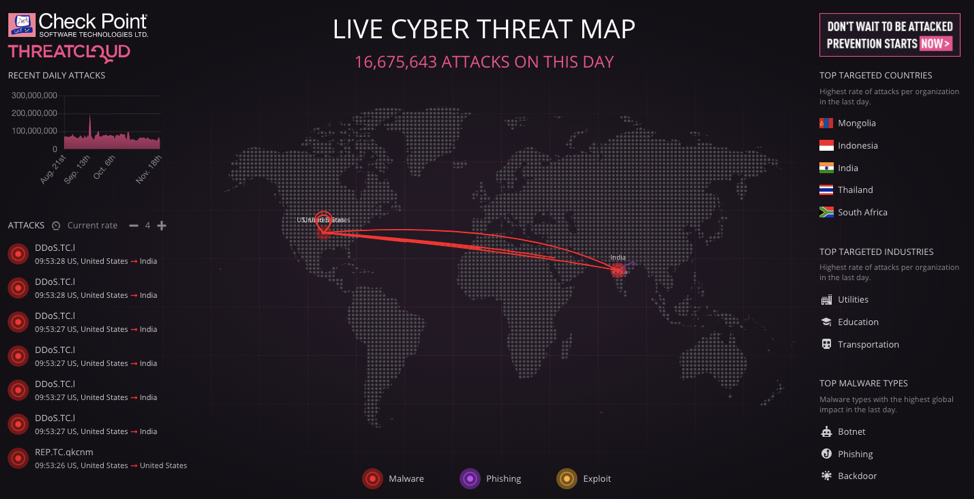
At its most basic, data refers to raw, unprocessed facts. In the context of cybersecurity, data could be anything from an IP address to logfiles or system alerts. It’s like a huge pile of unpolished gems – there’s a lot of it, but alone, it doesn’t tell you much.
For example, a logfile might show you every time a device connects to the network, but it doesn’t tell you whether that connection is normal or suspicious. Data by itself is often of limited utility – it can be just noise without context.
Information: Connecting the Dots
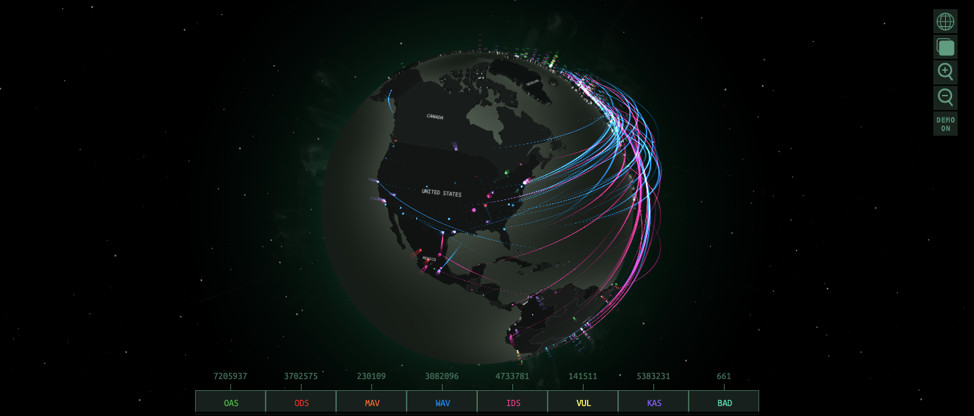
When you start to organize and collate that data into something more meaningful, you get information.
For example, imagine you have a series of logfiles showing a spike in failed login attempts from multiple IPs in a short period. When combined, these individual data points create a pattern, suggesting potential malicious activity, like a brute-force attack.
This is where you’re moving beyond individual facts into something that begins to tell a story. Information provides value because it gives you insights into what might be happening – but it still doesn’t tell you the full picture.
Intelligence: Actionable Insights for Decision-Making
Now, intelligence is where things get serious. Intelligence is derived from the analysis and processing of information. It’s the part that turns raw data into something actionable – and actionable is key as we referred to in our first blog.
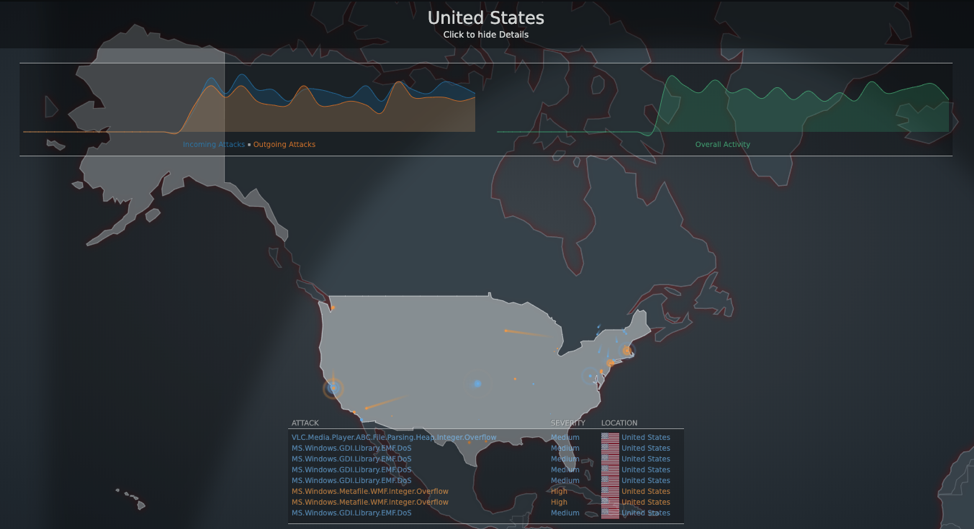
Using our example: once you’ve identified that suspicious spike in log activity, intelligence comes when you contextualize that information with previous incident reports, identify patterns, and add expert analysis. You now know that this type of activity matches previous ransomware attacks.
This is where CTI makes the real impact: you can now make informed decisions about how to respond. Perhaps you block certain IP addresses, alert your team, or even initiate a broader investigation. This is intelligence – not just data, not just information, but insight that drives action.
The Journey: Data → Information → Intelligence
To recap, here’s how this progression works:
- Data: Raw, unprocessed facts that, by themselves, don’t tell you much.
- Information: When data is organized and turned into something useful – patterns or trends emerge and storytelling begins.
- Intelligence: The final step, where analysis of information provides insights that help you make decisions and take action, the full story is visible now.
Without this clear journey from data to information to intelligence, your CTI efforts would be like trying to navigate with a map that’s missing half the streets. The value of CTI lies in how it turns raw data into intelligence that helps your organization stay ahead of threats.